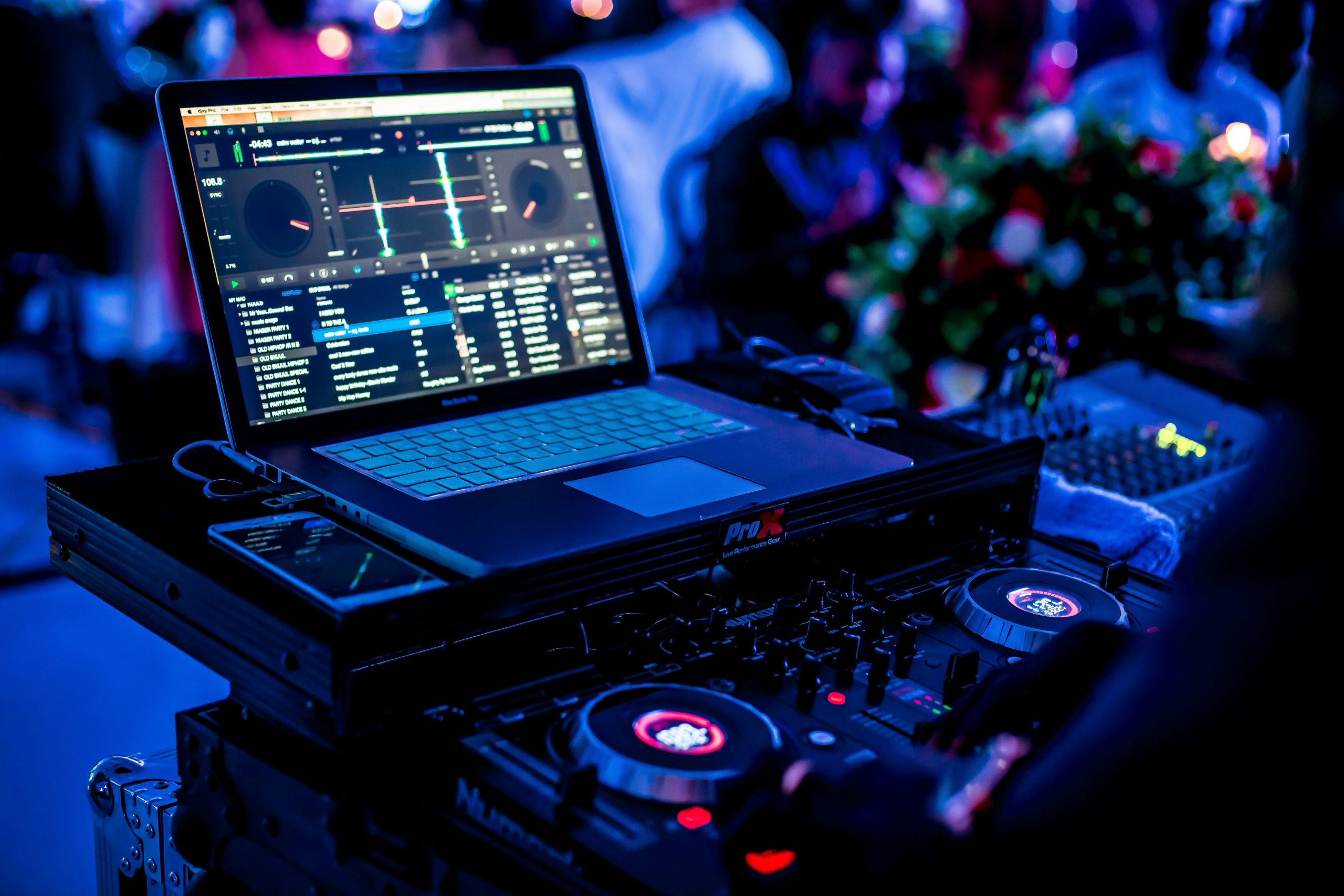
How to Start DJing: A Complete Beginner’s Guide
Have you ever watched a DJ control a crowd, blend two songs together perfectly, and wondered how they learned to do it? The good news is that learning to DJ is more accessible than ever. With affordable equipment, beginner-friendly software, and plenty of resources available online, anyone can start learning the skills needed to become a DJ.
Whether you want to DJ at parties, play clubs, create mixes at home, or simply explore music in a new way, this beginner DJ guide will walk you through everything you need to know to get started.
What Does a DJ Actually Do?
A DJ (disc jockey) selects, mixes, and plays music for an audience. While many people think DJing is simply pressing play on songs, modern DJing involves much more than that.
A DJ’s role includes:
- Choosing the right music for the audience
- Mixing songs together smoothly
- Matching the tempo of different tracks
- Creating energy and atmosphere
- Building a journey through music
- Using DJ equipment and software creatively
A great DJ is not just someone who plays songs — they understand music, timing, and how to connect with people.
Is DJing Easy to Learn?
DJing is easy to start but takes practice to master.
Most beginners can learn the basics within a few weeks, including:
- Understanding DJ equipment
- Loading and playing tracks
- Using headphones to cue songs
- Beatmatching songs
- Making simple transitions
However, becoming a confident DJ takes time. Like learning any skill, improvement comes from consistent practice and developing your own style.
The biggest mistake beginners make is expecting instant results. The best DJs improve by practising regularly, listening carefully, and learning from every mix they create.
Step 1: Decide What Type of DJ You Want to Become
Before buying equipment, think about what type of DJ you want to be.
Different types of DJs have different goals:
Bedroom DJ
A bedroom DJ learns at home for fun, personal improvement, or to create mixes. This is where many professional DJs begin.
Party DJ
A party DJ plays events such as birthdays, weddings, and private functions. These DJs need strong music selection skills and the ability to read a crowd.
Club DJ
Club DJs specialise in genres such as house, techno, drum and bass, hip-hop, or other electronic music styles. They focus on creating longer, flowing sets.
Mobile DJ
Mobile DJs often perform at a wide range of events and usually need their own sound equipment and lighting.
Knowing your goal will help you choose the right equipment and learning path.
Step 2: Learn the Basics of DJ Equipment
You do not need an expensive professional setup to start DJing. Most beginners can learn everything they need with a simple DJ controller.
A basic beginner DJ setup usually includes:
DJ Controller
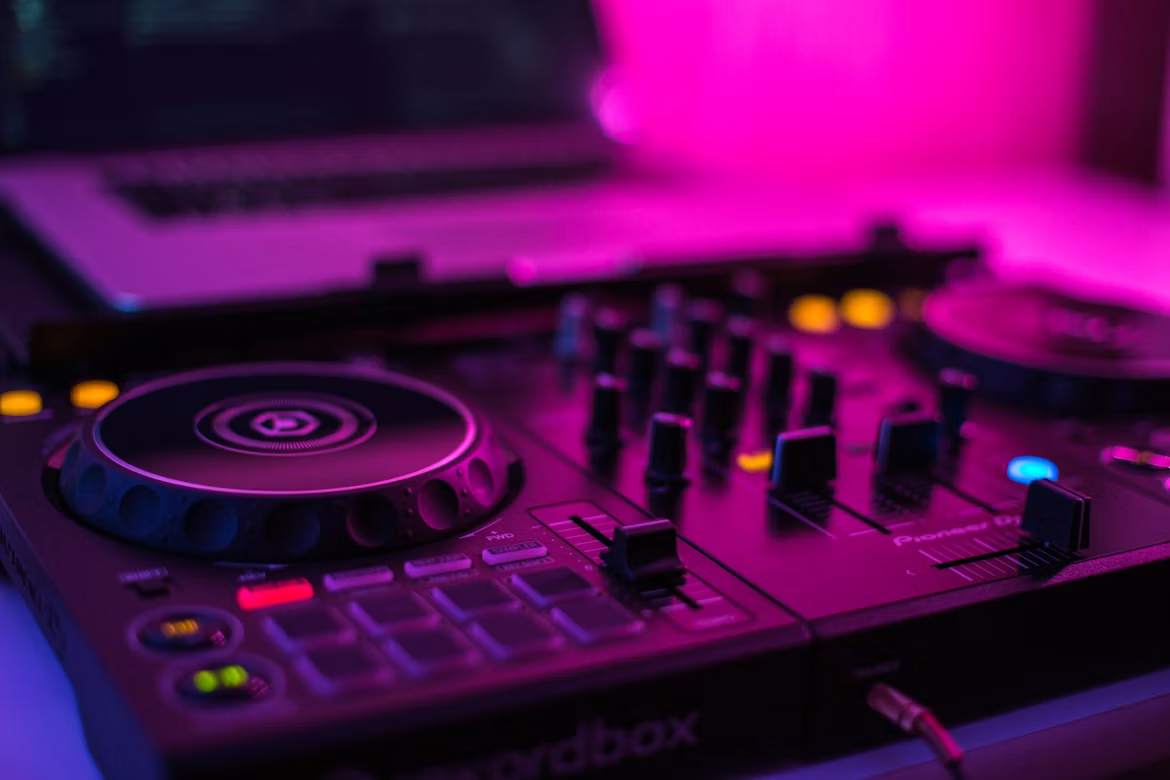
A DJ controller allows you to control your DJ software. It includes features such as:
- Jog wheels for controlling tracks
- Play and pause buttons
- Tempo controls
- Mixer controls
- Performance pads
A controller is one of the easiest ways to learn because it combines everything you need into one piece of equipment.
DJ Software
DJ software is the program that allows you to organise and mix music.
Popular beginner DJ software includes:
- Rekordbox
- Serato DJ
- Virtual DJ
- Traktor
Your controller and software work together to give you a complete DJ setup.
Headphones
A good pair of DJ headphones is essential. They allow you to listen to the next track before the audience hears it, helping you prepare your mixes.
Speakers
Speakers are useful for practising, but they are not essential when you first start. Many beginners can learn using headphones alone.
Step 3: Understand the Basics of Music
Before learning complicated DJ techniques, you need to understand how music is structured.
Most modern DJ music is built around:
Beats
A beat is the basic pulse of a song. DJs use beats to keep songs in time with each other.
Bars
Most dance music is arranged in groups of beats called bars. Understanding bars helps DJs know when changes in a song are coming.
Phrases
A phrase is usually a group of bars that forms a musical section, such as an intro, verse, chorus, or drop.
Learning how music is structured will make mixing much easier.
Step 4: Learn Beatmatching
Beatmatching is one of the fundamental skills every DJ should understand.
Beatmatching means adjusting the speed of two songs so their beats line up together.
Traditionally, DJs learned this by ear using vinyl records. Today, software can help beginners, but understanding beatmatching will make you a better DJ.
To practise beatmatching:
- Choose two songs with similar tempos
- Listen to the beat of the first track
- Adjust the speed of the second track
- Use your headphones to line up the beats
- Practise keeping them together
This skill takes time, so do not worry if it feels difficult at first.
Step 5: Learn How to Mix Songs Together
Once you understand beats, you can start learning transitions.
A good DJ transition allows one song to flow naturally into the next.
Beginner-friendly transitions include:
Simple Volume Transitions
Lower one track while bringing in another.
EQ Mixing
Use the bass, mid, and treble controls to blend songs smoothly.
Filter Transitions
Use effects to create a smooth change between tracks.
Start with simple techniques before trying advanced effects. Great DJs usually rely on timing and song choice more than complicated tricks.
Step 6: Build Your Music Library
A DJ is only as good as their music collection.
Start building a library of songs you love and understand.
Organise your music by:
- Genre
- Energy level
- BPM
- Mood
- Event type
Do not just collect thousands of songs. Learn your music well.
Knowing when to play the right track is one of the biggest differences between a beginner DJ and an experienced one.
Step 7: Practise DJing Regularly
The fastest way to improve is consistent practice.
A good beginner practice routine might include:
- 10 minutes learning equipment controls
- 20 minutes practising transitions
- 20 minutes creating a short mix
- Listening back and making improvements
Recording your practice sessions is one of the best ways to improve because you can hear mistakes you may not notice while mixing.
Common Beginner DJ Mistakes
Many new DJs make similar mistakes when starting out.
Buying Too Much Equipment Too Soon
You do not need expensive gear to become a good DJ. Skills matter more than equipment.
Ignoring Music Selection
Technical mixing is important, but choosing the right songs is what makes a DJ set enjoyable.
Using Too Many Effects
Effects can be useful, but overusing them can distract from the music.
Not Recording Practice Mixes
Listening back helps you identify areas where you can improve.
Comparing Yourself to Professional DJs
Every DJ starts as a beginner. Focus on your own progress rather than comparing your first mixes to someone who has practised for years.
How Long Does It Take to Learn DJing?
The timeline depends on how often you practise.
Many beginners can learn basic mixing within a few weeks, while becoming confident enough to perform publicly can take several months or longer.
A realistic progression might look like:
First month:
- Learn equipment
- Understand software
- Practise simple transitions
Three months:
- Create full mixes
- Improve song selection
- Develop confidence
Six months and beyond:
- Build your own style
- Play for others
- Explore advanced techniques
The key is consistency.
Can You Learn DJing at Home?
Yes. Many successful DJs started by practising at home.
Learning at home allows you to:
- Practise without pressure
- Experiment with different music styles
- Repeat techniques until they become natural
- Build confidence before performing
With a beginner DJ controller, software, and a willingness to practise, you can learn the foundations from your own home.
Final Thoughts: Starting Your DJ Journey
Learning to DJ is an exciting journey that combines music, creativity, and technical skill.
You do not need expensive equipment or years of experience to begin. Start with the basics, practise regularly, learn your music, and focus on improving one skill at a time.
Every professional DJ started with their first mix. The most important step is simply starting.
So choose your music, set up your equipment, and begin learning the skills that could turn your passion for music into a real DJ journey.
Get in touch today to book your online DJ lessons or in-person DJ lessons in Macclesfield, and start your journey behind the decks.