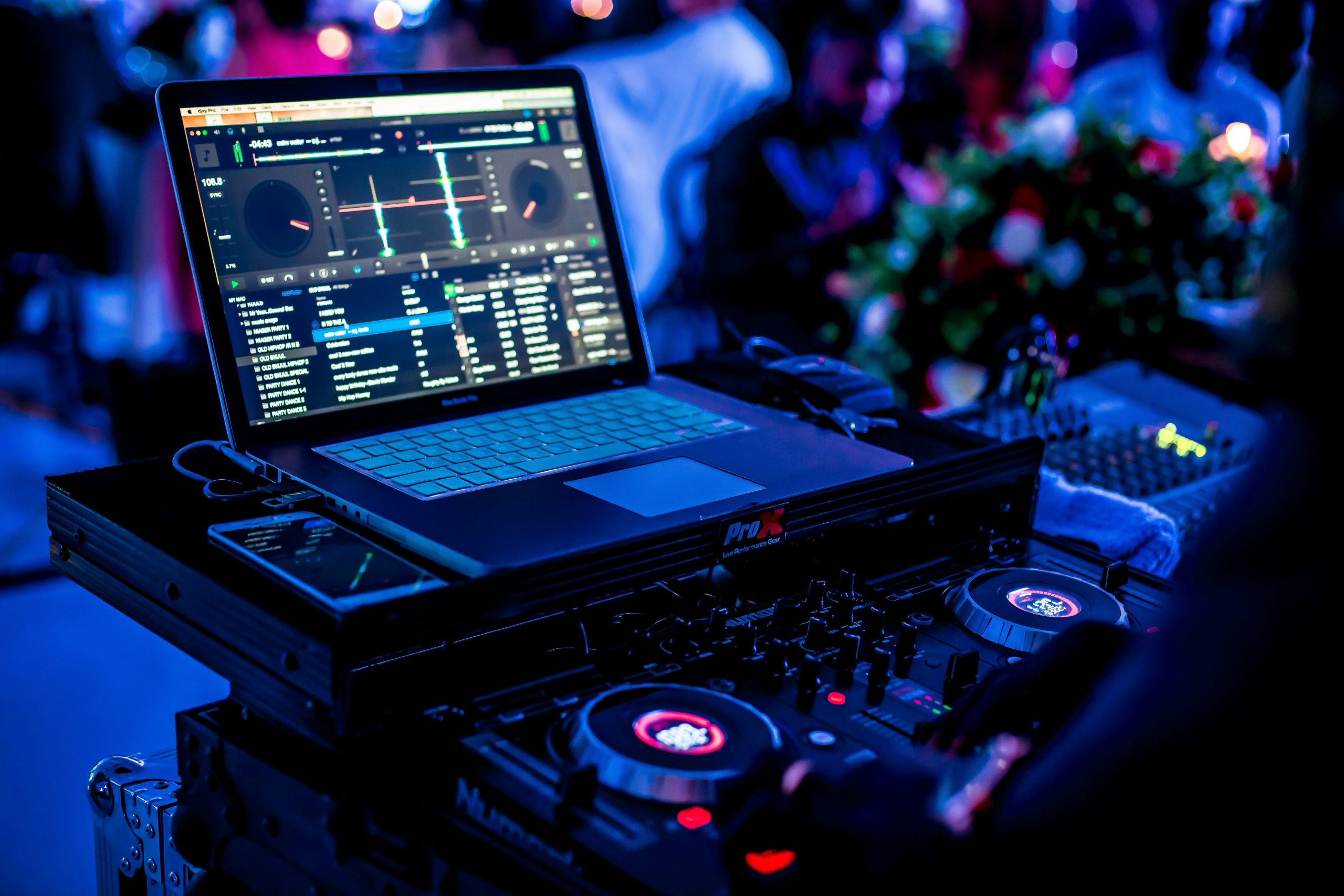
10 Things I Wish I Knew Before Learning to DJ
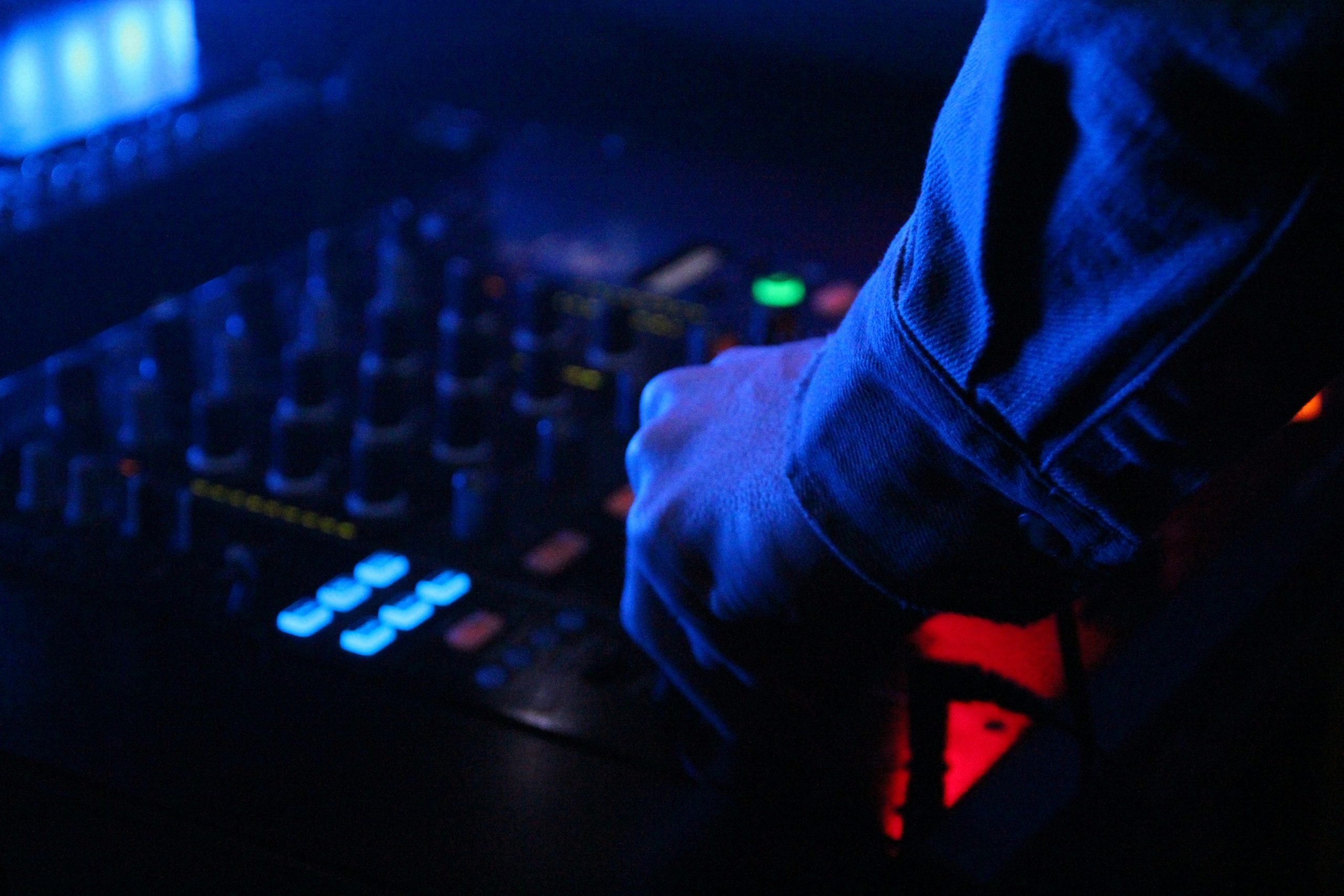
Learning to DJ is one of the most rewarding hobbies you can take up, but it can also be overwhelming when you’re first starting out. With so much advice online, endless gear choices, and social media full of flawless performances, it’s easy to feel like you’re already behind.
The truth is, every experienced DJ was once a beginner. We’ve all made the same mistakes, bought unnecessary equipment, and spent hours trying to work things out the hard way.
If I could go back to when I first started DJing, these are the ten things I’d tell myself. Hopefully, they’ll save you time, money, and frustration while helping you become a better DJ faster.
1. You Don’t Need Expensive Equipment to Become a Great DJ
This is probably the biggest misconception new DJs have.
It’s tempting to believe that buying professional CDJs, a flagship mixer, or the latest controller will instantly make you a better DJ. Unfortunately, that’s not how it works.
A basic beginner controller like a Pioneer DJ DDJ-FLX4 or Hercules Inpulse 500 is more than capable of teaching every essential DJ skill.
Your ability comes from practice—not price.
Focus on learning:
- Beatmatching
- Phrase mixing
- EQ control
- Track selection
- Reading the crowd
Master those skills before worrying about upgrading your equipment.
2. Track Selection Matters More Than Fancy Mixing
One of the biggest surprises for beginners is discovering that audiences rarely notice complicated transitions.
What they do notice is the music.
A DJ playing amazing songs with simple transitions will almost always outperform someone doing flashy tricks between average tracks.
Spend more time discovering music than watching transition videos.
Build playlists you’ll genuinely enjoy playing.
3. Learning Music Structure Changes Everything
One of the biggest breakthroughs comes when you understand phrasing.
Most dance music follows predictable patterns:
- 8 bars
- 16 bars
- 32 bars
- 64 bars
Once you start recognising these phrases, mixing suddenly becomes much easier.
You’ll instinctively know when to:
- Start the next track
- Swap basslines
- Add effects
- Exit a mix
Understanding song structure is one of the fastest ways to improve your DJing.
4. You Don’t Have to Learn Manual Beatmatching on Day One
Some people insist every beginner should immediately learn manual beatmatching.
While it’s an important skill, it doesn’t need to be your first priority.
Modern DJ software includes excellent Sync features.
Using Sync allows beginners to focus on:
- Song selection
- EQ mixing
- Timing
- Confidence
- Performance
Once you’re comfortable mixing, manual beatmatching becomes much easier to learn.
Don’t let anyone tell you that using Sync means you’re “not a real DJ.”
5. Organisation Saves Hours Later
Your music library quickly becomes difficult to manage if you ignore organisation.
Start building good habits from day one:
- Name files consistently
- Remove duplicate tracks
- Create playlists
- Use colour coding
- Add star ratings
- Set cue points
- Add memory cues
Future you will be incredibly grateful.
6. You Don’t Need Thousands of Songs
Many beginners think they need huge music collections before they’re ready.
In reality, 100 carefully chosen tracks are far more useful than 5,000 songs you’ve never listened to.
Learn every track.
Know:
- The intro
- The breakdown
- The drop
- The outro
- Energy level
- Musical key
A smaller library that you know inside out is a massive advantage.
7. Practice Is More Important Than Watching Tutorials
It’s easy to spend hours watching YouTube videos without touching your controller.
Tutorials are useful…
…but practice is what actually builds skill.
Try following the 80/20 rule:
- 20% learning
- 80% mixing
Even short 20-minute practice sessions every day will outperform one long session each week.
8. Mistakes Are Part of Learning
Every DJ has:
- Pressed Play on the wrong deck
- Loaded a song onto the playing deck
- Mixed into the wrong phrase
- Clashed basslines
- Missed cue points
- Forgotten headphones
It happens.
The difference between beginners and experienced DJs isn’t avoiding mistakes—it’s recovering quickly.
The more you practice, the calmer you’ll become when things go wrong.
9. Recording Your Mixes Is the Fastest Way to Improve
This is something many beginners avoid.
Listening back to your own mixes can feel uncomfortable at first, but it’s one of the best learning tools available.
You’ll immediately notice:
- Volume differences
- Timing mistakes
- Poor EQ swaps
- Songs that don’t work together
- Awkward transitions
Every recording teaches you something.
Even professional DJs regularly record and review their sets.
10. DJing Is Supposed to Be Fun
It’s easy to compare yourself to DJs on Instagram, TikTok, or YouTube.
Remember…
You’re seeing their highlights.
Not the years of practice behind them.
Play music you genuinely love.
Experiment.
Try different genres.
Enjoy the process.
The DJs who stick with it are usually the ones who never lose the enjoyment of simply playing music.
Bonus Tip: Consider Learning with a DJ Tutor
Trying to teach yourself is absolutely possible, but having an experienced DJ guide you can dramatically speed up your progress.
A good tutor can help you:
- Avoid common beginner mistakes
- Understand music structure
- Learn proper mixing techniques
- Build confidence
- Answer questions as they come up
Even a handful of one-to-one lessons can save weeks of trial and error.
Final Thoughts
Every DJ wishes they could go back and give their beginner self a few pieces of advice.
The good news is that you’re reading this before making many of the common mistakes.
Remember these key takeaways:
- Great DJs are made through practice, not expensive gear.
- Song selection will always beat flashy transitions.
- Learn music structure early.
- Organise your music library from day one.
- Record your mixes and review them regularly.
- Most importantly, enjoy the journey.
DJing is a skill that develops over time. Stay consistent, keep learning, and don’t be afraid to make mistakes—they’re all part of becoming a better DJ.
Frequently Asked Questions
What should I know before learning to DJ?
You should know that DJing takes practice, but anyone can learn. Start with beginner-friendly equipment, focus on song selection and timing, and don’t worry about expensive gear until you’ve developed your skills.
Is DJing difficult to learn?
The basics of DJing are easier than many people think. With modern DJ software and regular practice, most beginners can learn to perform smooth transitions within a few weeks. Mastering the craft takes longer, but the learning process is enjoyable.
Should beginners use the Sync button?
Yes. The Sync feature helps beginners focus on learning phrasing, EQ mixing, and track selection before tackling manual beatmatching. Many professional DJs also use Sync in certain situations.
How often should I practice DJing?
Aim for at least 20–30 minutes of focused practice several times a week. Short, consistent sessions are more effective than occasional marathon practice days.
What’s the biggest mistake beginner DJs make?
Many beginners spend too much money on equipment or collect thousands of tracks instead of learning the music they already have. Developing solid fundamentals and understanding your music library will have a much bigger impact on your progress.
Conclusion
Every experienced DJ started exactly where you are now. The journey is full of small wins, occasional mistakes, and moments where everything suddenly clicks. By focusing on the fundamentals, practising consistently, and enjoying the process, you’ll build skills that last a lifetime. Remember, the goal isn’t to become the best DJ overnight—it’s to become a little better every time you step behind the decks.
Ready to start your DJ journey? If you’d like personalised one-to-one DJ lessons, I’d love to help. Whether you’re a complete beginner or looking to improve your mixing skills, I offer friendly, tailored lessons online or in person from my Macclesfield studio. Get in touch today to book your first lesson and start mixing with confidence.