DJ Controller vs CDJs: Which Should Beginners Learn On?
If you’re thinking about learning to DJ, one of the first decisions you might face is what equipment to learn on. Should you start with a DJ controller, or should you learn on CDJs like the professional DJs use in clubs?
The good news is that you don’t need expensive club-standard equipment to learn how to DJ. For most beginners, a DJ controller is the easiest, most affordable and practical way to get started.
But that doesn’t mean CDJs aren’t worth learning. Understanding the differences between DJ controllers and CDJs can help you choose the right setup and make sure you’re learning skills that will transfer to other DJ equipment later.
What Is a DJ Controller?
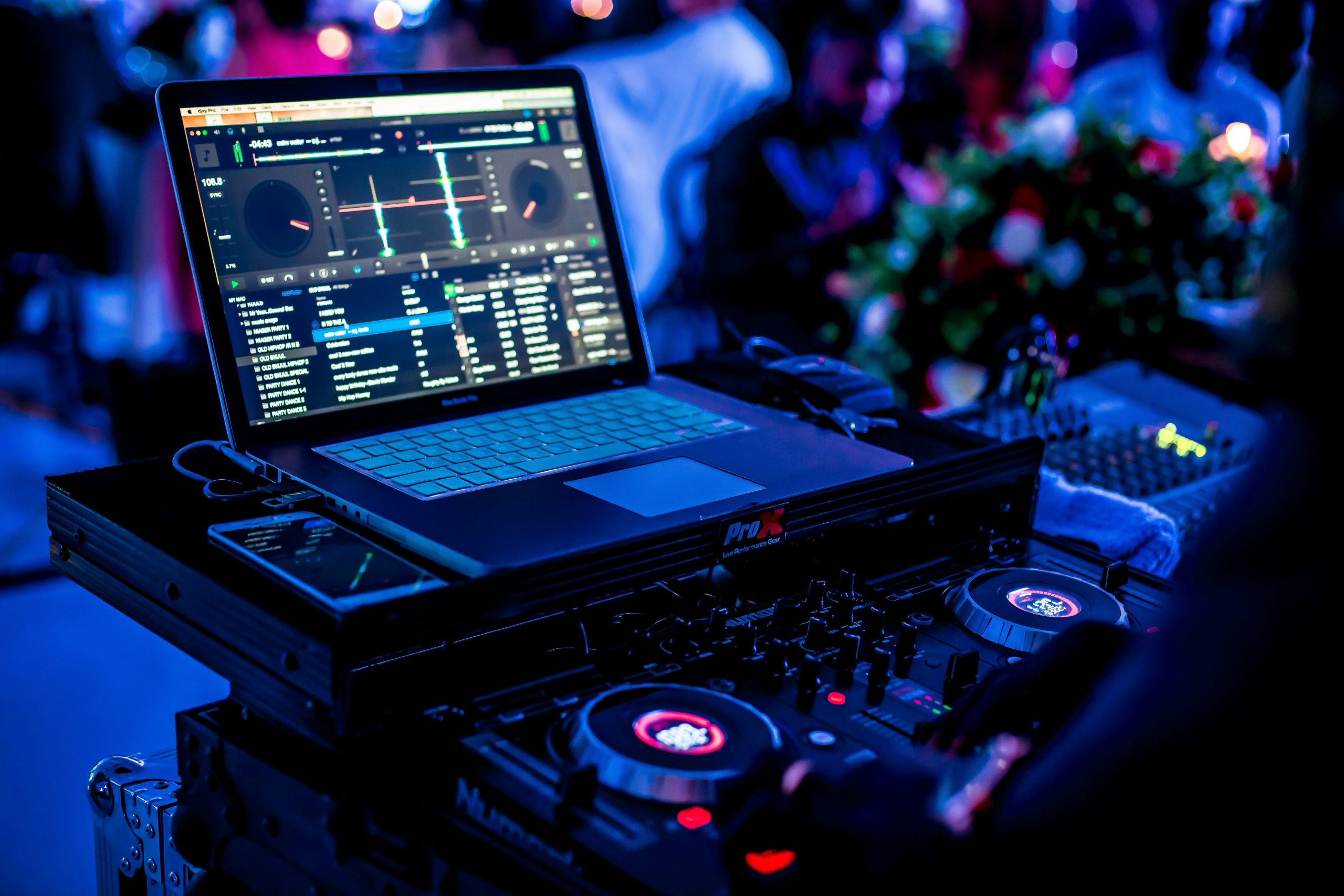
A DJ controller is a piece of hardware that connects to a computer, laptop, tablet or phone and allows you to control DJ software.
Popular beginner DJ controllers include the Pioneer DJ DDJ-FLX4, which works with Rekordbox and can also be used with other compatible DJ software.
A typical DJ controller gives you two decks, jog wheels, performance pads, pitch controls, EQ controls, effects and a mixer section.
For someone learning to DJ at home, a controller gives you almost everything you need in one relatively compact package.
Why Are DJ Controllers Popular With Beginners?
There are several reasons why DJ controllers are such a good starting point.
They’re affordable. You can get a capable beginner DJ controller without spending thousands of pounds.
They’re compact. Most controllers can easily fit on a desk or small table, making them ideal for practising at home.
They’re easy to set up. Connect the controller to your computer, load your DJ software and you can start practising.
They offer plenty of features. Modern controllers give beginners access to hot cues, loops, effects, stems and other creative tools.
Most importantly, a DJ controller allows you to concentrate on learning the fundamentals of DJing rather than worrying about expensive equipment.
What Are CDJs?
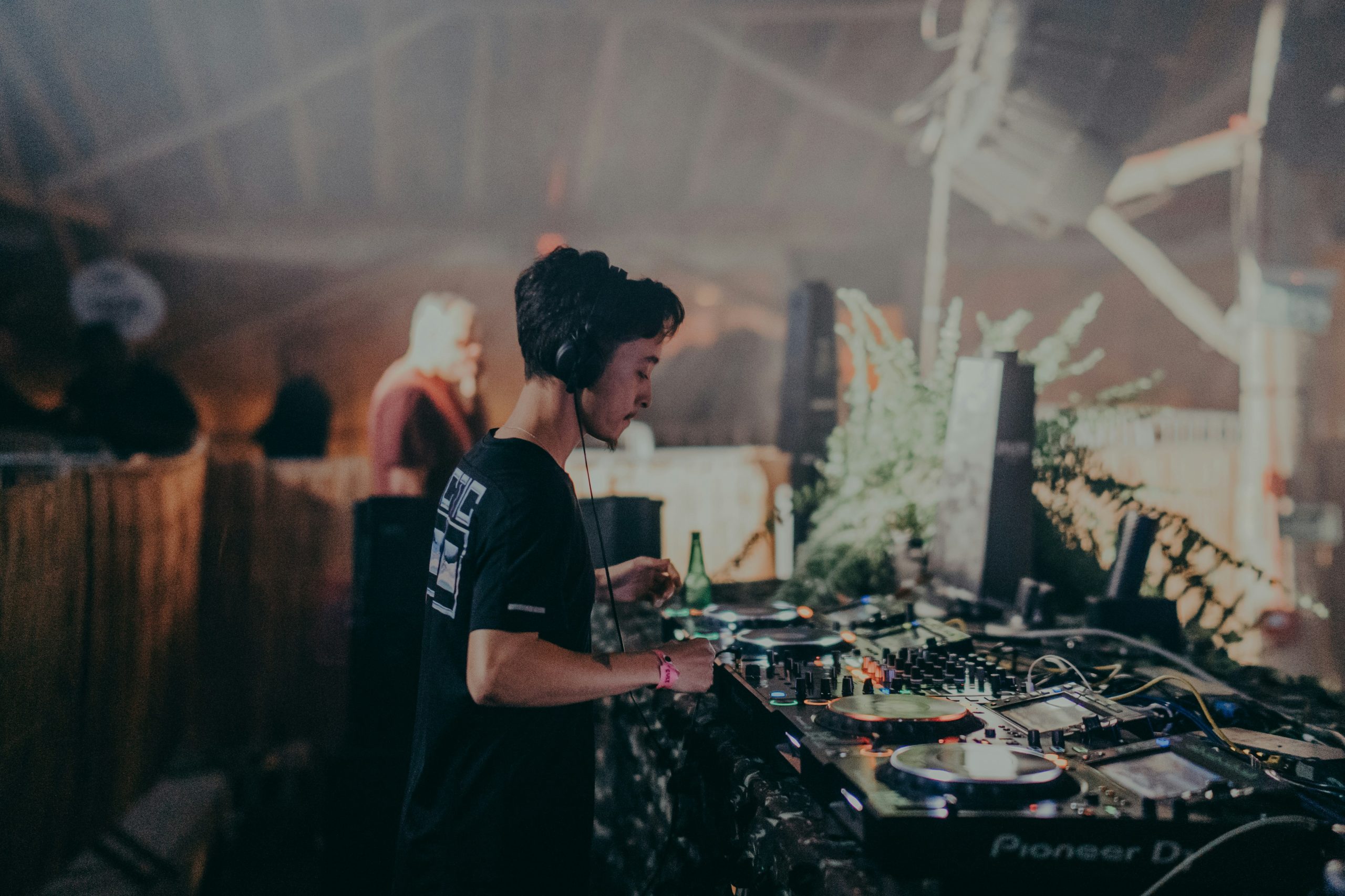
CDJs are professional DJ media players commonly found in nightclubs, festivals and professional DJ booths.
Despite the name, modern CDJs aren’t really about playing CDs. DJs will typically export their music to a USB drive and load their tracks directly onto the player.
A CDJ setup normally consists of two or more media players and a separate DJ mixer.
For example, a club might have two Pioneer DJ CDJs connected to a Pioneer DJ mixer.
DJ Controller vs CDJs: What’s the Difference?
At first glance, controllers and CDJs can look very different, but the fundamental skills are surprisingly similar.
On both systems you can:
- Load and browse tracks
- Set cue points
- Adjust tempo
- Beatmatch tracks
- Use EQ
- Use loops
- Use effects
- Mix between two or more tracks
- Build and perform a DJ set
The biggest difference is the way you interact with the equipment.
A DJ controller combines the decks and mixer into one unit, whereas a CDJ setup separates the media players from the mixer.
This means that learning on a controller doesn’t mean you’re learning a completely different skill.
Is It Easier to Learn DJing on a Controller?
For most beginners, yes.
A controller removes some of the barriers that can make learning to DJ more complicated than it needs to be.
You can see your music library on your computer, analyse your tracks in advance and use features such as Sync while you’re learning.
That doesn’t mean you should rely on every automated feature forever.
In fact, I’d recommend using tools such as Sync as a learning aid, rather than thinking of them as a replacement for understanding what’s happening.
You still need to learn:
- Beatmatching
- Phrasing
- Counting beats and bars
- EQ mixing
- Choosing compatible tracks
- Managing energy
- Using cue points
- Building a set
- Reading the room
These are the skills that make you a DJ, regardless of whether you’re using a controller or CDJs.
Will Learning on a DJ Controller Prepare Me for CDJs?
Absolutely.
This is one of the biggest misconceptions beginners have.
You don’t need to spend thousands of pounds on CDJs before you can call yourself a DJ.
The fundamental principles of DJing remain the same.
If you learn how to properly beatmatch, phrase your mixes, use EQ, work with cue points and select the right tracks, you’ll already have the foundations you need when you eventually move onto CDJs.
There will be some differences.
The layout will feel different, the mixer is separate and you’ll need to become comfortable navigating music directly on the media players.
But you’re not starting from scratch.
Think of it like learning to drive in one car before driving another. The controls might be positioned slightly differently, but you already understand how to drive.
What About Learning to DJ Without Using Sync?
If your long-term goal is to play on CDJs, you might wonder whether you should avoid Sync altogether.
I don’t think you need to.
When you’re starting out, Sync can allow you to focus on other important parts of DJing, such as phrasing and track selection.
Once you’re comfortable, start learning what is actually happening with the BPM and beat grid.
Try turning Sync off and practise manually adjusting the tempo and using the jog wheels to bring tracks together.
Learning both approaches will make you a much more versatile DJ.
Are CDJs Better Than DJ Controllers?
Not necessarily.
They’re designed for different purposes.
CDJs are fantastic for professional DJ environments because they provide a familiar setup that can be found in clubs, venues and festivals around the world.
A controller, however, can be much more practical for a beginner learning at home.
The important thing isn’t whether one piece of equipment is “better”.
It’s whether the equipment is right for you.
If you’re learning for fun, practising at home or just want to see whether DJing is something you enjoy, spending several thousand pounds on a CDJ setup probably isn’t the best place to start.
How Much Do You Need to Spend to Start DJing?
You don’t need a huge budget.
A beginner DJ setup can consist of:
- A DJ controller
- A laptop or compatible device
- DJ software
- Headphones
- Speakers, if required
You can start with a relatively inexpensive controller and upgrade your equipment as your skills and interest develop.
I’d much rather see a beginner spend a sensible amount on equipment and actually practise than buy an expensive setup that sits unused.
Your ability as a DJ isn’t determined by how much your equipment costs.
Which DJ Controller Should a Beginner Buy?
If you’re looking for a first DJ controller, I’d recommend looking at something such as the Pioneer DJ DDJ-FLX4.
It’s compact, relatively affordable and provides enough functionality to take you well beyond the beginner stage.
It’s also a good introduction to the layout and workflow used by Pioneer DJ equipment, which can make the eventual move to club-standard equipment easier.
You don’t necessarily need to buy the most expensive controller you can afford.
Start with something that allows you to learn the fundamentals and grow with you as your skills improve.
Should Beginners Learn on CDJs Instead?
If you already know that your goal is to become a club DJ and you have regular access to a CDJ setup, learning on CDJs can certainly be worthwhile.
However, I wouldn’t recommend buying a full CDJ setup simply because you think you have to learn on CDJs.
If you have access to professional equipment through a DJ school, studio or practice facility, that’s a different story.
You can learn the fundamentals on a controller and then spend time getting comfortable with CDJs when you need to.
The Most Important Thing Isn’t the Equipment
It’s easy to get caught up in DJ equipment.
You can spend hours comparing controllers, CDJs, mixers, jog wheels, screens, effects and specifications.
But none of that will make you a better DJ by itself.
The best equipment is the equipment that gets you practising.
Learn how to mix two tracks together.
Learn how to count phrases.
Learn why some tracks work together and others don’t.
Learn how to build energy throughout a set.
Learn how to recover when something goes wrong.
And, most importantly, learn how to enjoy DJing.
So, DJ Controller or CDJs?
For the vast majority of beginners, I’d recommend starting with a DJ controller.
It’s more affordable, easier to set up and provides everything you need to learn the fundamentals of DJing.
Once you’ve developed your skills, moving onto CDJs becomes much less intimidating because you’ll already understand the principles behind DJing.
If your goal is to eventually play in clubs, don’t worry about starting on a controller.
Learn the skills first. The equipment can come later.
Want to Learn to DJ?
If you’re based in Macclesfield or Cheshire and want to learn how to DJ, I offer friendly one-to-one DJ lessons for beginners and more experienced DJs.
Lessons are available in person from my fully equipped DJ studio in Macclesfield or online, and they’re tailored around your experience and what you want to achieve.
You don’t need your own DJ equipment and you don’t need any previous experience.
Sessions are £30 each, and your first DJ lesson is completely free.
Learn to DJ with me, Ben Vincent – The DJ Tutor
Whether you want to DJ for fun, learn to mix your favourite music, become a better home DJ or eventually play in clubs, I’ll help you build the skills and confidence to get started.
The best time to learn to DJ isn’t when you’re ready. It’s when you decide to start.