How Much Does It Cost to Start DJing? A Beginner’s Budget Guide (2026)
If you’ve ever wondered how much it costs to start DJing, you’re not alone. It’s one of the first questions aspiring DJs ask, and fortunately, the answer is more affordable than many people think.
Whether you want to DJ as a hobby, play at parties, or eventually perform at clubs and weddings, you don’t need thousands of pounds to get started. In fact, if you already own a laptop, you could begin learning for less than £300.
In this beginner’s guide, we’ll break down exactly what DJ equipment you need, how much each item costs, and where you can save money without compromising your learning.
Absolutely.
Can You Start DJing on a Budget?
One of the biggest misconceptions about DJing is that you need expensive professional equipment before you can even learn. While you’ll eventually see DJs using £5,000 club setups, almost every professional started with basic equipment.
Your skill, music selection and practice are far more important than owning top-of-the-range gear.
If you’re committed to learning, a beginner setup is more than capable of taking you from your bedroom to your first paid gigs.
What Equipment Do You Need to Start DJing?
To begin DJing, you’ll need:
- A laptop or desktop computer
- DJ software
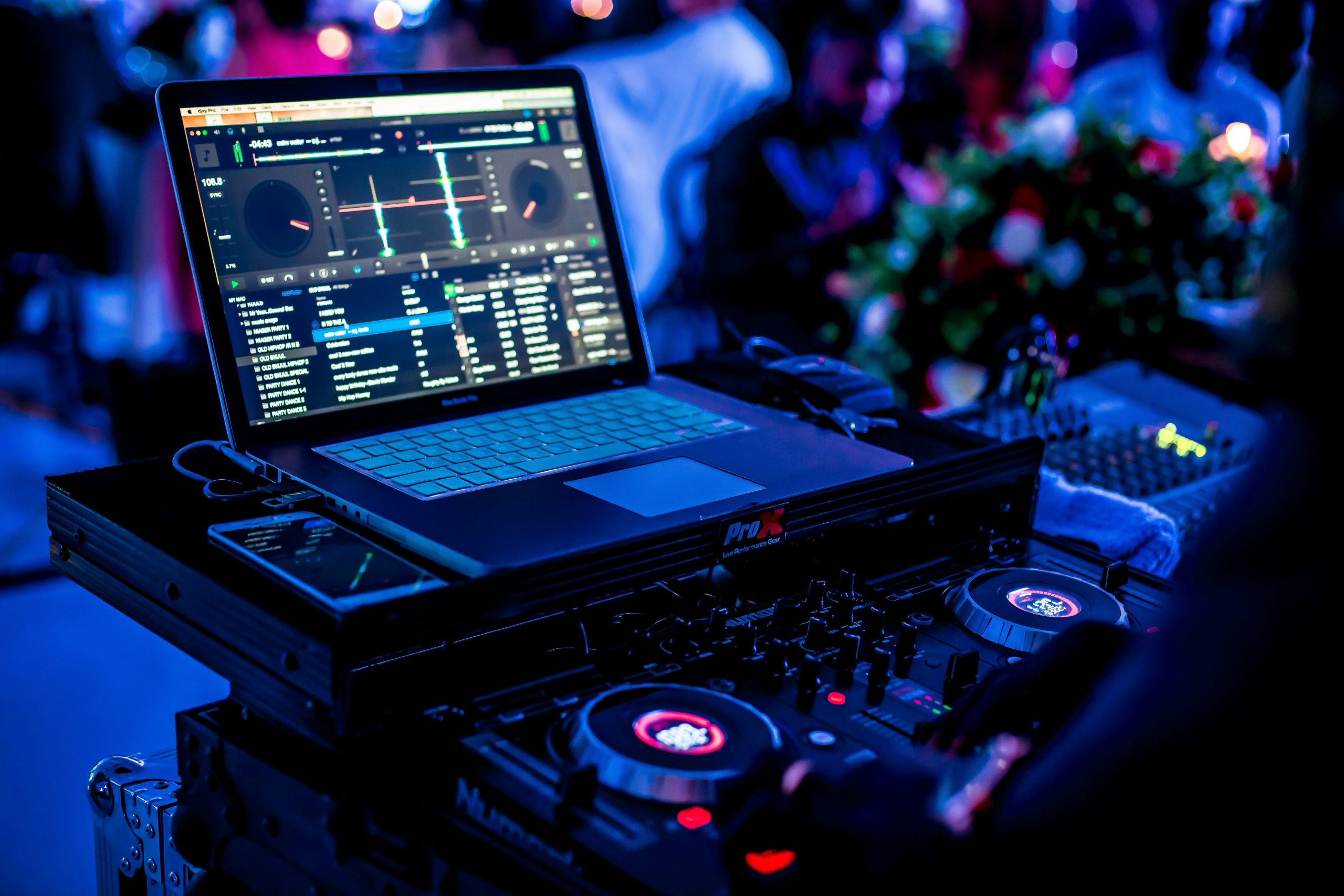
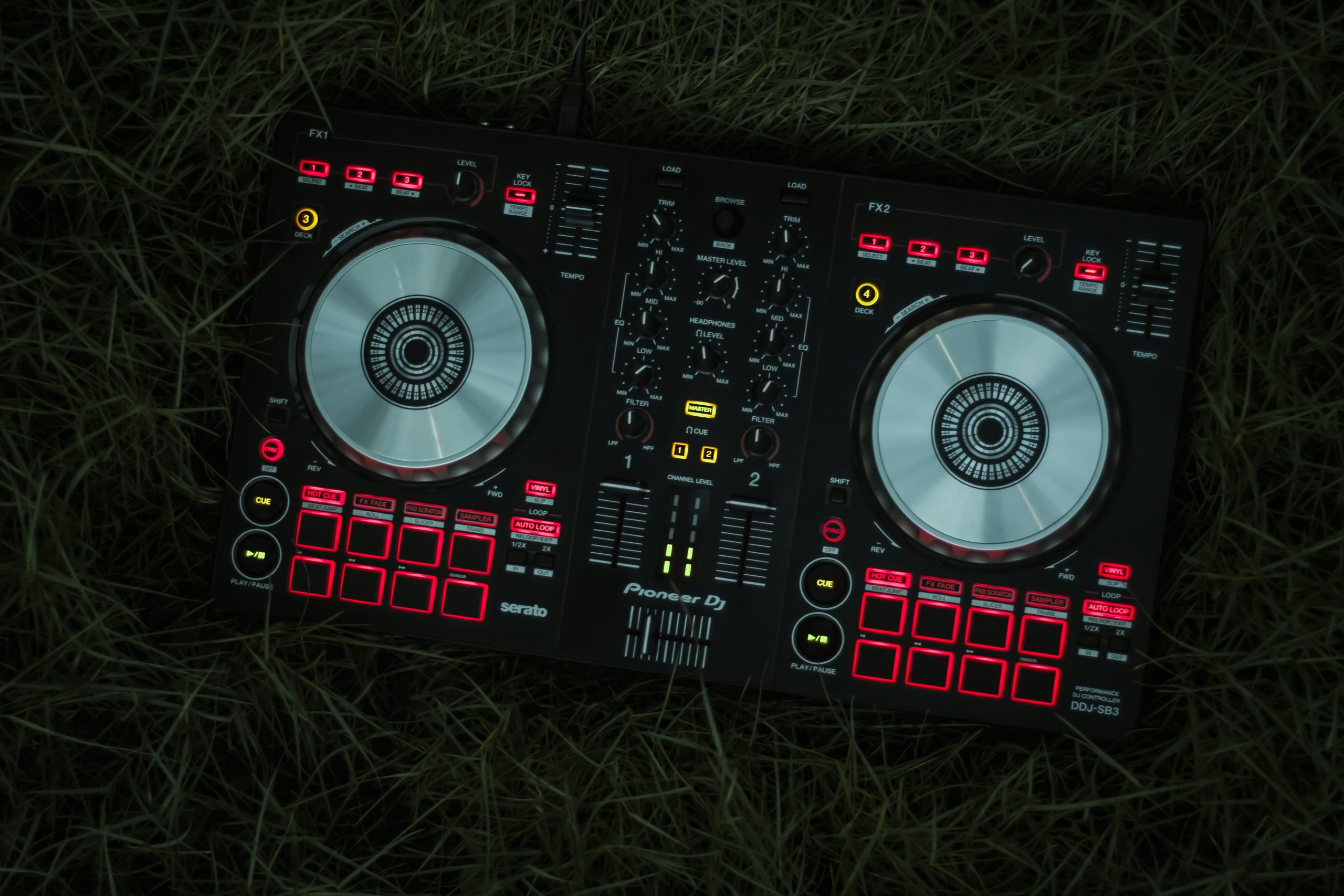
- A DJ controller
- DJ headphones
- Music
- Speakers (optional when learning)
Let’s look at each item in more detail.
Laptop or Computer (£0–£1,000)
The good news is that you probably already own the most expensive part of your setup.
Modern DJ software runs well on most reasonably recent laptops.
A good beginner laptop should have:
- Intel i5 or Apple M-series processor
- At least 8GB RAM (but 16GB if you can, as 8GB may struggle with STEMs)
- SSD storage
- Windows or macOS
If you already have a laptop, this part of your budget costs nothing.
DJ Software (£0–£20 per month)
DJ software is where you’ll organise your music and perform your mixes.
Popular software includes:
- Rekordbox
- Serato DJ Lite
- Serato DJ Pro
- VirtualDJ
- Engine DJ
Many beginner DJ controllers include software free of charge, so don’t rush into paying for a subscription until you know what you need.
DJ Controller (£200–£400)
The DJ controller is the heart of your setup and where most of your budget should go.
Some excellent beginner controllers include:
- Pioneer DDJ-FLX2
- Pioneer DDJ-FLX4
- Numark Mixtrack Platinum FX
- Hercules Inpulse 500
These controllers have everything you need to learn beatmatching, EQ mixing, phrasing and transitions, while still being suitable for private parties and smaller events.
Expect to spend between £200 and £400.
DJ Headphones (£40–£100)
A good pair of DJ headphones lets you prepare your next track before your audience hears it.
Look for:
- Closed-back design
- Comfortable fit
- Long cable
- Replaceable ear pads
There’s no need to spend hundreds of pounds. Many excellent beginner DJ headphones fall comfortably under £100.
Speakers (£0–£200)
Here’s something many beginners don’t realise…
You don’t actually need speakers when you’re first learning.
Most people practise using headphones, especially if they’re learning at home.
Once you’re confident, you can consider buying:
- Studio monitors
- Desktop speakers
- A small PA speaker
This can wait until later.
Don’t Forget Your Music
No DJ setup is complete without music.
You have two main choices.
Buy Your Music
Purchasing tracks from online music stores means you own them forever and don’t rely on an internet connection.
Use a DJ Streaming Service
Services such as Beatport Streaming, Beatsource and SoundCloud Go+ give you access to millions of tracks for a monthly subscription.
Most cost between £10 and £20 per month.
Example DJ Starter Budgets
Budget Setup (£250–£350)
Perfect for beginners who already own a laptop.
- Beginner DJ controller
- DJ headphones
- Included software
This setup gives you everything you need to learn the fundamentals.
Mid-Range Setup (£500–£700)
Ideal if you’re planning to DJ at parties or events.
You’ll have:
- Better controller
- Higher-quality headphones
- Speakers
- Larger music library
This setup could comfortably take you into paid work.
Premium Beginner Setup (£1,000+)
If you’re fully committed from day one, you might also include:
- Premium DJ controller
- Studio monitors
- Flight case
- Laptop stand
- External hard drive
- Lighting
While nice to have, none of these extras are essential when you’re just starting out.
Should You Buy Second-Hand DJ Equipment?
Buying used equipment is one of the easiest ways to save money.
Many DJs upgrade regularly, meaning you can often find excellent condition controllers for much less than buying new.
Before buying second-hand, always check:
- Every button works
- Jog wheels respond correctly
- All faders move smoothly
- USB connection works
- Audio outputs function properly
- There are no signs of liquid damage
Buying used can often save 30–50%.
Hidden Costs of Learning to DJ
Most beginners budget for a controller but forget about smaller purchases.
These may include:
- USB drives
- Laptop stand
- Carry case
- Spare cables
- External hard drive
- Music subscriptions
- DJ lessons
- Lighting
The good news is that none of these are essential on day one.
Where Should You Spend Your Money?
If your budget is limited, spend it in this order:
- A reliable DJ controller
- Quality headphones
- Building your music library
Avoid spending lots of money on speakers, lighting or expensive accessories until you’ve developed your skills.
Can You Learn to DJ Without Buying Equipment?
Yes.
Some DJ software allows you to mix using only your keyboard and mouse.
Although it isn’t as enjoyable as using a controller, it’s a fantastic way to learn:
- Song structure
- Beatmatching
- Phrasing
- EQ mixing
- Music organisation
Once you know DJing is something you enjoy, investing in a controller becomes much easier.
Does Expensive DJ Equipment Make You a Better DJ?
No.
Professional DJs buy expensive equipment because it’s reliable, durable and packed with advanced features—not because it automatically improves their performances.
A skilled DJ using a £250 controller will almost always outperform a beginner using a £3,000 setup.
Practice beats expensive equipment every time.
Final Thoughts
Starting your DJ journey is far more affordable than most people expect. If you already own a laptop, you can realistically start learning for £250–£350, while a budget of £500–£700 gives you a setup that’s capable of handling house parties, birthdays and even small paid events.
The most important thing isn’t buying the latest gear—it’s putting in the hours to practise. Learn the fundamentals, build a music collection you love, and upgrade your equipment only when your skills demand it.
Frequently Asked Questions
How much does it cost to start DJing?
Most beginners can start DJing for £250–£350 if they already own a laptop.
What’s the cheapest way to learn DJing?
Use your existing laptop, free DJ software and an entry-level controller. Buying second-hand equipment can reduce the cost even further.
Do I need speakers to learn DJing?
No. Many beginners learn entirely with headphones before investing in speakers.
Should I buy a new or used DJ controller?
A used controller can be excellent value, provided you test it thoroughly and buy from a reputable seller.
Can I become a professional DJ with beginner equipment?
Yes. Many successful DJs started on entry-level controllers before upgrading as they gained experience.
Get in touch today to book your online DJ lessons or in-person DJ lessons in Macclesfield, and start your journey behind the decks.