Is DJing Hard to Learn? The Honest Answer for Beginners
If you’ve ever wondered, “Is DJing hard to learn?”, you’re not alone. It’s one of the most common questions people ask before buying their first DJ controller or booking their first lesson.
The good news is that DJing is much easier to learn today than it was 20 years ago. Thanks to modern DJ software and beginner-friendly DJ controllers, almost anyone can learn the basics with regular practice.
That said, while learning to DJ isn’t difficult, becoming a great DJ takes time, patience and experience.
In this guide, we’ll explain what makes DJing challenging, how long it takes to learn, and how you can speed up your progress.
Is DJing Easy to Learn?
Yes—most people can learn the basics of DJing in just a few weeks.
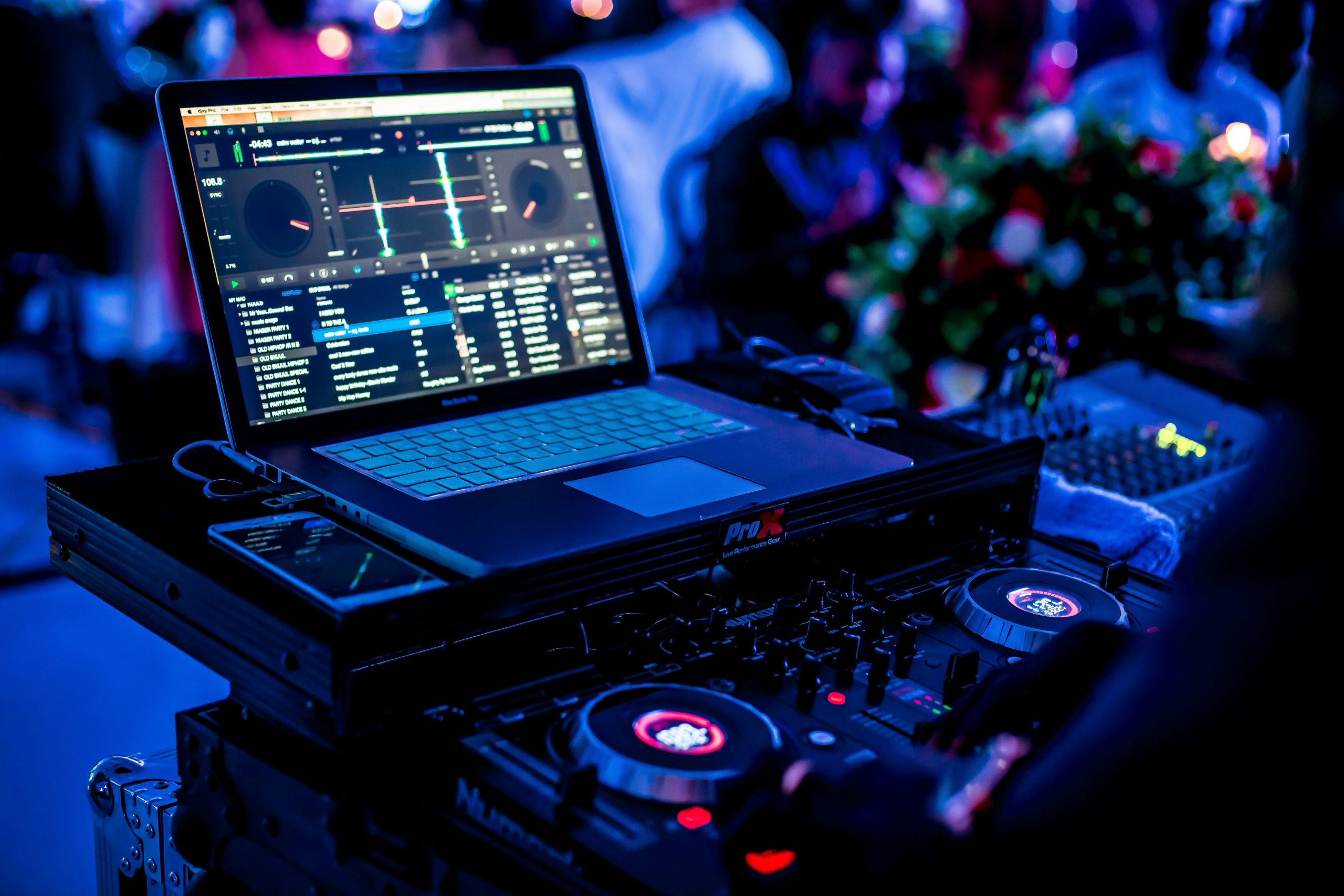
Modern DJ equipment includes features such as waveforms, BPM displays and cue points, making it much easier to understand how tracks fit together.
With consistent practice, beginners can quickly learn to:
- Mix two songs together
- Match tempos
- Use EQ controls
- Set cue points
- Create smooth transitions
- Build confidence behind the decks
The real challenge isn’t learning which buttons to press—it’s learning when to press them.
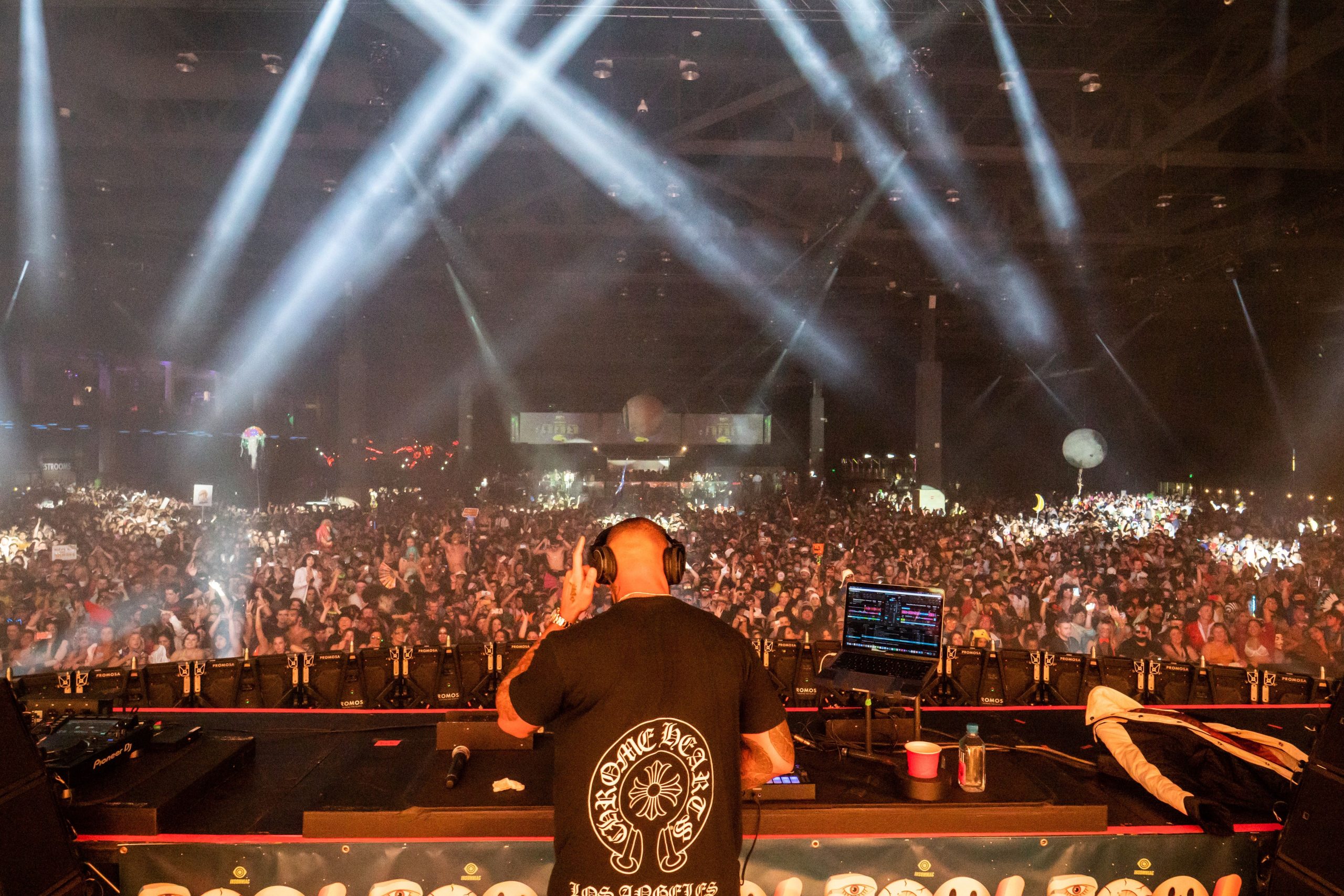
Professional DJs know how to read a crowd, choose the right track at the right moment and build energy throughout an entire set. Those skills develop with experience.
Why Do Some People Find DJing Difficult?
Most beginners struggle because they’re trying to learn everything at once.
DJing combines several different skills:
Beatmatching
Keeping two songs playing in perfect time is one of the first techniques every DJ learns. Modern equipment has Sync buttons that help beginners, but understanding beatmatching manually will make you a better DJ in the long run.
Music Knowledge
A good DJ doesn’t just play great songs. They understand:
- Energy levels
- Song structure
- Musical phrasing
- Genre differences
- Crowd psychology
The more music you listen to, the easier this becomes.
Confidence
Playing music at home is one thing. Performing in front of friends or hundreds of people is another. Confidence comes through preparation and practice.
How Long Does It Take to Learn DJing?
Everyone learns at a different pace, but here’s a realistic timeline:
Week One
You’ll learn:
- How your DJ controller works
- Loading tracks
- Basic controls
- Headphone cueing
- Simple transitions
Month One
You’ll start to feel comfortable with:
- Mixing songs together
- Using EQs
- Basic beatmatching
- Understanding song structure
Three to Six Months
With regular practice, you’ll begin:
- Creating smoother mixes
- Recording DJ sets
- Developing your own style
- Building confidence
One Year and Beyond
Experienced DJs focus on:
- Reading crowds
- Playing longer sets
- Advanced transitions
- Creative mixing
- Building a personal brand
Like learning a musical instrument, there’s always something new to improve.
How Often Should You Practise?
You don’t need to spend hours every day behind the decks.
A 30-minute practice session five days a week is often more effective than one long session every weekend.
Consistency is what helps DJs improve.
Focus each practice session on one skill, such as:
- Beatmatching
- EQ mixing
- Phrase matching
- Loops
- Transitions
Small improvements add up quickly.
What Equipment Do You Need?
One of the biggest myths is that you need expensive equipment.
For beginners, you only need:
- A beginner DJ controller
- A laptop
- DJ software
- A pair of headphones
Many excellent entry-level controllers include professional software, making it affordable to start learning.
Remember, expensive gear won’t make you a better DJ. Practice will.
Common Beginner DJ Mistakes
Almost every beginner makes these mistakes:
Trying to Learn Too Quickly
Master the basics before moving on to advanced effects and tricks.
Ignoring Music Structure
Understanding phrases and song arrangement makes transitions much smoother.
Buying Expensive Equipment Too Soon
Learn the fundamentals before investing in professional club gear.
Not Recording Practice Sessions
Listening back to your mixes is one of the fastest ways to improve.
Practising Without a Goal
Every session should focus on improving one specific skill.
Is It Better to Learn Alone or Take DJ Lessons?
Many DJs start by watching YouTube videos.
While there are plenty of great tutorials online, learning this way can sometimes feel overwhelming because there’s so much information available.
Working with an experienced tutor gives you:
- Structured lessons
- Personal feedback
- Faster progress
- Better technique
- Increased confidence
Instead of guessing what’s wrong with your mixes, you’ll know exactly what to improve.
Can Anyone Learn to DJ?
Absolutely.
You don’t need musical training.
You don’t need to know music theory.
You don’t even need expensive equipment.
The most successful beginners usually share three qualities:
- Patience
- Consistency
- A willingness to practise
If you enjoy music and are prepared to learn, there’s no reason you can’t become a confident DJ.
Frequently Asked Questions
Is DJing harder than playing an instrument?
They’re different skills. Learning the basics of DJing is often quicker than learning many musical instruments, but mastering the art of entertaining a crowd takes years of experience.
Can I teach myself to DJ?
Yes. Many DJs are self-taught. However, taking lessons can help you avoid bad habits and progress much faster.
How many hours should I practise DJing?
Aim for around 20–30 minutes, four or five times a week. Consistent practice is more valuable than occasional long sessions.
What’s the hardest part of DJing?
For most beginners, beatmatching and choosing the right songs are the biggest challenges. With practice, both become much easier.
Do I need expensive equipment?
No. A beginner controller, laptop and headphones are enough to learn all the essential skills.
Final Thoughts
So, is DJing hard to learn?
Not really.
Learning the fundamentals is easier than ever thanks to modern DJ technology, and with regular practice, most beginners can confidently mix tracks within a few months.
The biggest difference between a beginner and a professional DJ isn’t expensive equipment—it’s experience.
If you’re serious about learning, stay consistent, practise regularly and don’t be afraid to ask for help along the way.
Every successful DJ started exactly where you are now.
Ready to Start Your DJ Journey?
I offer one-to-one DJ lessons designed specifically for beginners. Whether you’ve never touched a DJ controller before or you’re looking to improve your mixing skills, I’ll help you build confidence and develop the techniques used by professional DJs.
Get in touch today and take your first step towards becoming the DJ you’ve always wanted to be.